


Wide Plank Flooring with Matte Finish: Style, Durability, and Care Tips
Wide plank floors change the mood of a room before the furniture even arrives. The boards feel generous, calm, and intentional. Add a matte finish, and the look becomes even more current, less glossy showroom and more warm, lived-in design.
This pairing has become a favorite in both new builds and remodels because it balances beauty with practicality. Wide planks show more of the wood’s natural character. Matte finishes soften light, reduce glare, and help everyday wear look less obvious. The result is a floor that feels modern without feeling cold.

Wide planks give rooms a cleaner and more modern look
Traditional strip flooring often uses narrow boards, which creates many seams across the floor. Wide plank flooring uses broader boards, so each plank shows more grain, knots, and natural movement. That wider scale gives the floor a quieter visual rhythm.
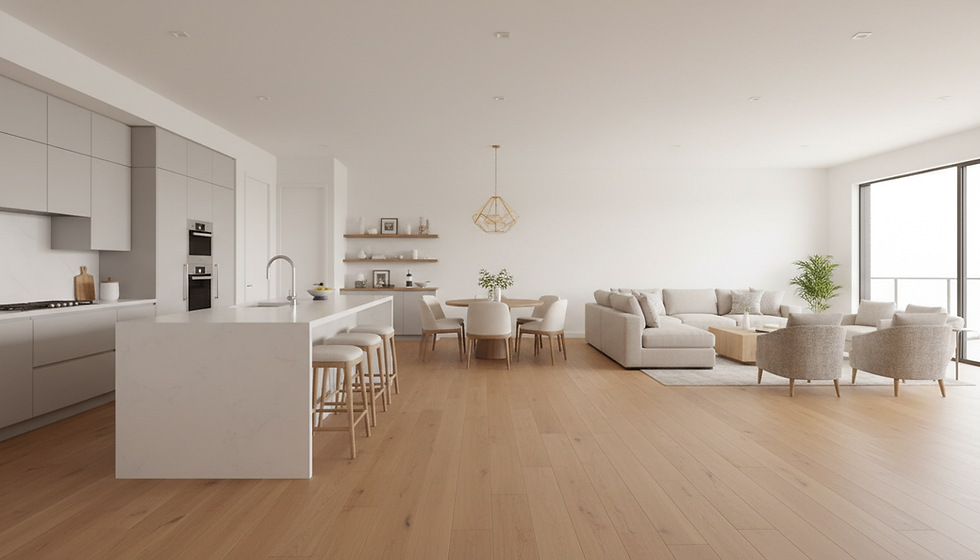
In open-concept homes, this makes a big difference. Fewer seams can help living rooms, kitchens, and dining areas feel connected. The eye travels across the room more easily, which can make the space feel larger and less busy.
Wide planks also work well with many design styles:
Modern minimalist homes
Wider boards create a clean base that pairs well with simple furniture, pale walls, and uncluttered layouts.
Transitional interiors
The natural grain adds warmth to spaces that mix traditional trim with modern lighting or furniture.
Rustic and farmhouse spaces
Wider boards show knots, mineral streaks, and saw marks beautifully, especially in oak, hickory, or pine.
Organic modern rooms
Matte wood brings texture without shine, which fits well with stone, plaster, linen, wool, and handmade ceramics.
The key is proportion. In a small room, wide planks can still work beautifully, especially when the color is light to medium and the installation runs with the longest wall. In a large room, wider boards often feel more appropriate than narrow strips because they match the scale of the space.
Matte finishes create a softer and more natural surface
Glossy floors reflect light sharply. That shine can look formal, but it can also show dust, footprints, pet hair, and small scratches. Matte finishes take the opposite approach. They absorb and diffuse light, which gives the floor a softer appearance.
This is one reason matte flooring feels so current. Many homeowners want interiors that feel comfortable, natural, and relaxed. A matte finish supports that look because it lets the wood speak for itself. The grain, tone, and texture become the focus rather than the reflection on top of the surface.
Matte floors are also easier on the eyes in rooms with strong sunlight. If a living room has large windows, skylights, or glass doors, a glossy floor may create glare during parts of the day. A matte surface cuts down on that mirror-like shine, helping the room feel calmer.
A matte finish does not mean dull. It means the floor has a low-sheen surface that highlights texture, grain, and depth instead of reflected light.
The effect is especially beautiful on wide planks. Since each board has more visible surface area, a low-sheen finish allows the natural patterns to stand out. Oak rays, walnut swirls, hickory contrast, and maple’s subtle grain all read clearly without looking polished or overly formal.

Matte does more than improve the look
Matte finishes are popular for style, but they also offer practical benefits. The finish layer helps protect the wood from normal wear, and the low sheen helps disguise daily marks better than a high-gloss surface.
That does not mean matte floors are scratch-proof. No wood floor is. Chair legs, grit, pet nails, and heavy traffic can still leave marks. The advantage is that minor scuffs tend to blend into a matte surface more easily. A glossy surface can make the same scuff stand out because it interrupts the reflection.
Matte finishes can also reduce the visible contrast between perfect areas and worn areas. Over time, a high-gloss floor may show traffic paths where the shine has dulled. A matte floor starts with a softer sheen, so gradual wear often looks less dramatic.
There are several common matte finish types:
Finish type | What it feels like | Best fit |
Water-based polyurethane | Clear, smooth, and protective | Homes that need a durable finish with minimal color change |
Oil-based polyurethane | Warm-toned and protective | Traditional interiors where a slightly amber look is welcome |
Hardwax oil | Natural, touchable, and low-sheen | Homes that favor a close-to-the-wood feel |
UV-cured factory finish | Consistent and very wear-resistant | Prefinished floors and busy households |
Factory-finished boards often come with strong matte coatings applied under controlled conditions. Site-finished floors offer more control over stain and sheen, which helps when matching existing woodwork or creating a custom tone.
For busy homes, durability comes from the full flooring system, not sheen alone. Wood species, board construction, finish quality, installation, and care all play a role. Still, a matte surface is a smart choice for anyone who wants a floor that looks graceful through real daily use.
The right wood species changes the whole result
Wood type affects color, grain, hardness, and cost. It also changes how dramatic or subtle wide planks will look. Since wide boards reveal more character, species selection matters.
White oak is one of the most versatile choices. It has attractive grain, good hardness, and a color range that works with pale, natural, warm, or lightly stained finishes. It is a strong option for modern matte floors because it looks refined without feeling flat.
Red oak has a more pronounced grain pattern and warmer undertones. It can be a good choice when the goal is a classic American hardwood look. Stain selection matters, since red oak’s pinkish cast can show through certain pale finishes.
Walnut brings depth and drama. Its chocolate-brown tones look elegant with a matte finish, especially in dining rooms, studies, and bedrooms. Walnut is softer than some other hardwoods, so it may show dents more readily in high-traffic homes.
Hickory is bold and tough. It often has strong color variation from board to board, which can look stunning in wide planks. It suits rustic, casual, and character-rich interiors.
Maple has a smoother, more subtle grain. It can create a clean contemporary look, although it can be more challenging to stain evenly. A natural matte finish often suits maple better than a dark stain.
Pine is softer, but it has charm. Wide pine planks can create a historic or relaxed farmhouse feel. Expect dents and marks to become part of the floor’s character over time.
Engineered wood is also worth considering. Engineered wide plank flooring uses a hardwood surface layer over a stable core. That structure can reduce movement from seasonal humidity changes, which is helpful for wider boards. Solid wood remains a beautiful choice, especially in the right climate and installation setting, but engineered construction often gives more flexibility.

Color and plank width should fit the home
Wide planks come in many widths, and the best choice depends on the room, the architecture, and the feeling you want.
Boards in the 5 to 7 inch range offer a wider look while still feeling familiar. Boards around 8 inches and above make a stronger design statement. Very wide planks can look luxurious, especially in large rooms, but they also require careful installation and proper humidity control.
Color matters just as much as size.
Light matte floors feel airy and casual. They work well in coastal, Scandinavian-inspired, modern farmhouse, and organic modern interiors. They also tend to hide dust better than very dark floors.
Medium brown floors are warm and timeless. They bridge traditional and modern styles easily, making them a safe choice for long-term design flexibility.
Dark matte floors feel rich and dramatic. They can be beautiful with white walls, stone fireplaces, and tailored furniture. They may show dust, lint, and pet hair more easily, even with a matte finish.
Grayish wood tones had a long moment, but many homeowners now prefer warmer natural shades. If resale appeal matters, natural oak, warm beige, honey brown, and soft taupe finishes tend to age better than highly trendy colors.
Before choosing, bring samples into the home. Look at them in morning light, afternoon light, and evening artificial light. A floor that looks neutral in a showroom may look yellow, pink, or gray once it meets the lighting and wall color in your space.
Installation details make wide plank floors perform better
Wide plank floors need room to move. Wood expands and contracts with humidity, so proper installation is critical. This is especially true in regions with cold winters, humid summers, or large indoor humidity swings.
A professional installer will pay attention to:
Acclimation before installation
Subfloor flatness and moisture levels
Fastener or adhesive choice
Expansion gaps at walls and fixed objects
Plank layout and board staggering
Indoor humidity recommendations
The layout also affects the final look. Running planks along the longest wall often makes a room feel more spacious. In hallways, running boards lengthwise creates flow. For open plans, installers may choose a direction that helps connect the main sightline from entry to living area.
Board selection during installation matters too. Wide planks show more natural variation, so installers often “rack out” boards before fastening them. This means laying them out visually to balance knots, color changes, and grain patterns across the room.
Care is simple when the routine is consistent
Matte wood floors do not need complicated care, but they do need the right habits. The goal is to remove grit before it scratches the finish and to avoid products that leave residue.
Start with dry cleaning. Sweep with a soft broom or use a vacuum made for hard floors. Avoid a vacuum beater bar, which can damage the surface. In high-traffic spaces, quick dry cleaning a few times each week can make a big difference.
For damp cleaning, use a cleaner approved for the specific finish. Too much water can harm wood, so the mop should be lightly damp, not wet. Skip steam mops. Heat and moisture can damage wood floors and may affect the finish.
Protect the floor with simple steps:
Use felt pads under chair and table legs.
Place mats at exterior doors to catch grit.
Wipe spills promptly with a soft cloth.
Keep pet nails trimmed.
Avoid dragging furniture across the floor.
Use rugs in busy zones, such as entries and kitchen work areas.
Be careful with cleaning products that promise shine. Matte floors are designed to stay low-sheen. Waxes, polish, oil soaps, and silicone-based products can create buildup and uneven shine. They may also make future recoating harder.
Humidity control also supports long-term performance. Many wood floors do best when indoor humidity stays within a moderate range. A humidifier in winter or dehumidifier in summer can help reduce seasonal gaps, cupping, or movement.

Small design choices can make the floor stand out
A matte wide plank floor works best when the surrounding materials support it. Since the finish is soft and natural, it pairs well with tactile surfaces.
Try linen upholstery, wool rugs, leather chairs, stone counters, ceramic lamps, or plaster-look walls. These materials echo the same quiet, touchable quality. The room feels layered rather than shiny.
Trim color also matters. Crisp white baseboards create contrast against medium or dark floors. Warm off-white trim feels softer with pale oak or natural wood. Black accents, such as metal lighting or cabinet hardware, can add definition without overpowering the floor.
Rugs should complement the plank scale rather than hide it completely. A large area rug can anchor a seating group, while exposed flooring around the edges keeps the wood visible. In dining rooms, choose a rug large enough that chairs stay on the rug when pulled out, which also helps protect the floor.
For kitchens, matte wide plank floors can soften hard surfaces like stone, tile, and stainless steel. In bedrooms, they add warmth without demanding attention. In entryways, they create an immediate sense of craft and quality, especially when paired with a durable finish and a good walk-off mat.
The best choice balances beauty with real life
Wide plank flooring with a matte finish offers a rare mix of style and practicality. It feels modern, but not trendy. It shows the character of the wood, yet it keeps glare and shine under control. It can make a room feel larger, warmer, and more intentional.
The strongest results come from matching the floor to the way the home is used. A busy household may favor white oak or hickory with a durable factory matte finish. A quieter bedroom or formal space may be perfect for walnut. A historic home may welcome the softer charm of pine.
Choose samples in the home, compare them in changing light, and think about maintenance before committing. With the right species, finish, installation, and care routine, matte wide plank floors can bring lasting beauty underfoot every day.


Comments